marți, 8 decembrie 2020

Alegeri parlamentare 2020

 24 de ore dupa ce-am plecat de la sectia de votare, si inca procesez emotional rezultatele. Ce urmeaza e - sper eu - finalul acestui proces si o marturie despre alegerile tocmai incheiate.


Procesul electoral a inceput cu inregistrarea pentru votul prin corespondenta. Acolo au inceput si problemele. La prezidentialele de anul trecut entuziasmul noutatii procesului si frica de a sta la cozile de vot a functionat. Aproape 80.000 de inregistrari pentru votul din corespondenta pentru prezidentiale s-au transformat anul asta in ceva mai putin de 50.000, in ciuda mesajelor de mobilizare din partea USR PLUS. Au disparut si noutatea, si frica de a sta la cozi, dupa o runda de alegeri prezidentiale desfasurata in conditii optime. 

E clar ca votul prin corespondenta e o idee buna, dar trebuie extinsa - prin mai mult timp la inscriere, prin posibilitatea de a vota prin corespondenta si din tara, si altele - si imbunatatita. Si aici ajungem la a doua problema. Din ~47.000 de voturi, aproape 15.000 nu s-au validat, dintr-un motiv sau altul. Aproape o treime. Enorm. Nu stiu daca e vina postei romane, a postelor din alte state, a statului sau a altcuiva, si nici nu e foarte relevant a cui e vina. Dar ultimul lucru de care avem nevoie e slabirea increderii in procesul electoral. Iar cand alegatorul afla ca prin metoda cea mai usoara de a vota are o sansa din 3 ca votul lui sa nu fie acceptat, s-ar putea sa se mai gandeasca o data daca foloseste metoda cea mai usoara.

Avem nevoie de o investigatie in motivele pentru care cele ~15.000 nu s-au validat. Avem nevoie de corectii si imbunatatiri ale procesului. Avem nevoie ca acestea sa se intample repede, sa fie comunicate bine si sa ajunga la public. Altfel am putea la fel de bine sa eliminam votul prin corespondenta, pentru ca va deveni inutil.

Asta e problema mediatizata. Problema despre care nu s-a vorbit am vazut-o la numararea voturilor prin corespondenta din sectia in care am fost alocat: din ~160 de voturi, 6 au fost anulate pe detalii procedurale (lipsa cartii de alegator sau desecretizarea votului). 6 din 160, adica cca 4%. Enorm. Sigur, vina alegatorilor ca n-au respectat pasii procedurali. Dar daca vina e a alegatorilor, problema e a statului. Regulile votului prin corespondenta trebuie sa fie mai simple, mai clare, votul prin corespondenta trebuie sa fie mai sigur, iar inregistrarea mai usoara.


Pentru zilele de vot am fost delegat in sectia centrala din Londra, in sediul ICR. Sunt foarte familiar cu locul, cu cladirea, cu personalul si am mai lucrat cu presedinta de sectie. M-am simtit ca pestele in apa, din multe puncte de vedere am simtit ca eu am condus procesul de vot. Sunt fan al presedintei de sectie, cred ca e o femeie curajoasa, responsabila, corecta si in mare masura profesionista. Dar, traumatizata probabil de socul de la alegerile euro-parlamentare din 2019, a cerut o suplimentare de personal si am avut o sectie cu 15 persoane pentru a procesa 1329 de votanti. Mult prea mult, o risipa mica, dar inutila, de fonduri publice, mai ales ca dintre cei 15 cativa au venit extrem de slab pregatiti pentru munca pe care trebuiau s-o faca. Vorbesc evident de personalul contractat de ambasada, pentru ca evident ca autoritatile nu au nici un control asupra delegatilor de la partide.

Si am cateva cuvinte de spus si despre personalul consular. 

Am in general o parere buna despre serviciile consulare romanesti din Londra, si cercetarile pe care le-am facut in diverse momente mi-au confirmat ca e unul din lucrurile care functioneaza in Romania. Inteleg ca, mai nou, odata cu pandemia, si calitatea acestor servicii a scazut dramatic, am auzit ca multi oameni nu reusesc sa-si reinnoaisca pasaportul sau ca programarile dureaza enorm. E o chestie la care putem sa ne uitam la nivel de politici. La nivel de personal...

Bun, softul de procesare al votantilor e o aplicatie pe o tableta care are cca 3 functii din care operatorul foloseste una singura. Softul are 7 butoane, din care operatorul foloseste 3 in mod frecvent, si vreo 5 cu totul. Pentru acest soft, cu o functie si 3 butoane, toti operatorii a trebuit sa citeasca un curs de operare, sa dea un test si sa faca un training online de 2 ore. Ok, siguranta si incredere. Dar ai zice ca dupa toate astea, munca de operator ar trebui sa fie relativ usoara, nu? Este. Nu si pentru personalul consular. Oameni - cel putin cei din sectia mea - paralizati de frica de a face cea mai mica greseala, incapabili sa ia cea mai mica decizie, cu o frica suprema de sefi si de proceduri si - in buna traditie romaneasca - plangandu-se constant de cat de greu le e, de cat de mult muncesc si de cat de mult e toata lumea orientata impotriva lor. Oameni care au nevoie de doua confirmari ca sa apese butonul rosu de OFF al tabletei sub care scrie 'opreste tableta' atunci cand vor sa opreasca tableta.

Pana la urma am colaborat, zic eu, bine cu toti, s-au achitat de indatoriri si procesul electoral a fost APROAPE fara probleme. Dar atitudinea pe care am vazut-o nu-mi sporeste increderea in serviciile consulare si ma face sa ma intreb daca nu cumva ca sa obtii postul caldutz si bine platit de la consulatul din Londra de unde sa poti sa vorbesti de sus la romanii care au plecat din tara unde ti se vorbeste de sus peste tot e mai important pe cine stii decat ce stii.


Despre procesul de vot, doua lucruri sunt relevante:

1. cerinta dovezii de rezidenta pentru a vota in circumscriptia diaspora. Imi e acum evident, ca alegator votezi pentru parlamentarii care vor reprezenta circumscriptia in care ai rezidenta. Pentru asta, ai nevoie sa dovedesti ca ai rezidenta in circumscriptia respectiva. Dar a fost nevoie sa explic asta de cateva zeci de ori ca sa imi fie asa de clar. Cererea dovezii de rezidenta, desi legitima, nu a fost deloc comunicata bine catre electoratul din diaspora. Drept urmare, multor alegatori li s-a refuzat dreptul de vot. Nu neaparat in sectia mea - cred ca au fost 2 sau 3 care n-au putut vota - dar in diaspora in general. Si mi-ar placea ca acesti alegatori carora li s-a refuzat dreptul de vot sa porneasca o initiativa de a actiona in justitie statul roman, care tocmai le-a refuzat un drept fundamental. Dar nu sunt optimist.

2. prezenta slaba la vot, si in diaspora si in general. 31% prezenta national si ~250.000 de voturi in diaspora, la o populatie de ~4 milioane si o capacitate de procesare de cca 2 milioane e absolut jenant. Iar aceasta prezenta jenanta e rezultatul unui esec sistemic si istoric al intregii clasei politice romanesti. Si includ aici si partidul meu, USR PLUS. Nici noi, nici celelalte formatiuni nu au reusit sa mobilizeze mase semnificative ale electoratului si vom avea o guvernare care, oricat de buna sau de proasta va fi, va fi nereprezentativa. Principalul partid de guvernare, PNL, va fi luat ~25% din ~31% din voturi, adica vom avea un prim-ministru pentru care ar vota cam 8% din populatie. Asta e cel mai relevant rezultat electoral, si probabil ca la urmatoarele alegeri voi vota partidul care reuseste sa rezolve problema asta in primul rand.


Despre rezultatele alegerilor:

- a castigat PSD. Big fucking surprise. Din fericire, chiar daca se pare ca e in continuare votabil, PSD a devenit un partid nefrecventabil in politica romaneasca si nu vor reusi probabil sa aiba vreun cuvant de spus in alcatuirea noului guvern. Si legat de asta sper cel mai mult sa nu ma insel.

- USR PLUS, ~16%. E mult, e putin? Greu de spus. Am investit mult, mental, emotional si financiar in USR in ultimii 3 ani, am incredere in partid si imi pasa ce se intampla cu el. Mi se pare un rezultat slab, normal ca mi se pare un rezultat slab. Normal ca as fi vrut mai mult, normal ca n-as fi fost deplin multumit decat la peste 50%. Dar era asta posibil? Se putea mai mult? Greu de spus. Astea sunt intrebari speculative, si imposibilitatea unui raspuns demonstrabil le face sa fie politizate intens. Demisia Barna? El zice ca nu. Eu... nu stiu. E adevarat si ca cineva trebuie sa fie responsabil pentru rezultate, e adevarat si ca schimbarea regilor e intr-adevar bucuria nebunilor. Dar USR PLUS va avea un congres de fuziune in urmatoarele luni, urmat de noi alegeri pentru presedintele partidului. Vom avea atunci ocazia sa vedem daca opozitia din USR va fi capabila sa se desprinde de atitudinea trotskist-guevarista a revolutiei continue si sa se consolideze si sa se coordoneze pentru a avea un cuvant de spus in desemnarea noii conduceri, sau daca va deveni o grupare tot mai fracturata, tot mai mica, tot mai galagioasa si tot mai irelevanta in partid. Fara opozitia din USR, fata partidului va fi fara indoiala alta, as indrazni sa spun ca nu neaparat mai buna. Vom vedea.

- AUR, 10%. Opinie controversata: nu sunt ingrijorat de ascensiunea rapida si neprevazuta a acestui partid misterios (bine, aud ca nici Barna). Nu stiu cine sunt, la prima vedere par un partid conservator anti-sistem. Nu ader la platforma lor si nu sunt in publicul lor tinta. Nu m-au interesat in campania electorala pentru ca nu credeam ca vor fi relevanti.

In duminica votului am avut cateva discutii cu observatorul AUR din sectia mea. Ideologic ne-am intalnit in foarte multe puncte. Omul avea o parere buna despre USR PLUS si e probabil unul din multi alegatori pe care mesajul nostru nu i-a convins in principal din cauza unei comunicari defectuoase. Toate reprosurile lui pentru USR PLUS aveau un punct de ruptura intre realitate si perceptie, iar asta e rolul comunicarii. Am zis de multe ori, si o s-o mai zic o data, tot fara rezultat: comunicarea USR e cel putin defectuoasa, si a fost asa de cand sunt eu in partid. Treaba asta ne pierde votanti si nimeni nu pare sa vada ca avem o problema la capitolul asta. More fool us.

In timp ce scriam cele de mai sus am ascultat interviul lui George Simion pentru HotNews. Mi-a... placut (?) Omul pare sa aiba vorbele la el, intentiile lui par sa fie bune, nu pare sa fie niciunde in apropierea bau-bau-lui nationalisto-xenofobo-neonazist de care vorbeste presa. Iar din ce zice, se pare ca ma despart de el doar in anumite puncte ideologice unde pozitiile antagonice sunt concomitent legitime (el conservator eu progresist, el crestin eu secular, din astea). DACA e intr-adevar asa cum spune si DACA AUR e intr-adevar partidul care zice ca e, atunci USR PLUS are o mare oportunitate. Nu numai ca vom putea conta pe voturile AUR in parlament pentru multe din proiectele economice sau de infrastructura, dar vom putea si sa ajungem la electoratul AUR cu mesajul nostru. E clar ca asta nu s-a intamplat pana acum.

Daca AUR nu e ceea ce prezinta Simion, daca misoginii de tip Lavric sau Andrusceac vor fi cei mai proeminenti si daca AUR va vira intr-adevar spre neonazism, atunci va trebui sa-i suportam 4 ani. Dar politica fricii are termen de valabilitate scurt, iar pe temele de cel mai mare interes pentru electoratul lor (saracia, infrastructura, relatia cetatean-stat) nu au si nu vor avea capacitatea sa livreze in urmatorii 4 ani. Ceea ce inseamna ca acest 10% se va eroda usor-usor pana cand noua stea a politicii romanesti va cadea in irelevanta lui Dan Diaconescu.

In momentul asta mi-as dori sa ne mai fi inselat o data cu totii in privinta AUR, si ei chiar sa fie partidul care sa traduca mesajul USR pe limba multimilor pe care se pare ca noi n-o vorbim. Mi-ar placea ca George Simion sa fie o figura proeminenta si reformatoare pe drumul Romaniei spre progres si, daca partidul se curata de tot soiul de elemente dubioase de care pare sa fie plin in momentul asta, putem discuta si despre tot soiul de colaborari.

Ah, ce-o sa ma mai toace grupurile interne USR pentru pasajele astea trei!

Dar cu asta am cam terminat. Desi sentimentul pe care il incerc e de tensionare, daca vreau sa continui povestea asta cu politica trebuie sa inteleg clar ca adevarata munca incepe DUPA alegeri. Altfel, stiu ca electoratul are intotdeauna dreptate (vox populi, vox dei si astea) si ca cea mai relevanta ipoteza de lucru e cea in care ne aflam. Multa bafta, Romania!

miercuri, 30 octombrie 2019

Epistula non erubescit

Constantin Arcu - Faima de dincolo, Editura Paralela 45, 2011

Hartia suporta orice, dar nu orice e pe hartie poate fi numit literatura.

E o fraza buna, si nu vad inceput mai potrivit pentru a vorbi despre cartea asta a lui Constantin Arcu, cea mai premiata si mai de succes a sa, conform autorului. Acum, stau si ma intreb daca exista vreo logica in a scrie recenzii proaste. Bineinteles, o recenzie proasta bine scrisa e delicioasa dar, delicioasa sau nu, aduce cu sine riscul unei flexari de ego cel putin la fel de inoportuna ca opera pe care o critica.

Stiu ca e preferabil sa nu spun nimic mai degraba decat sa spun ceva urat, incerc sa respect cele trei filtre socratice (e adevarat? e folositor? e marinimos?) si mai stiu si ca am mai cazut in capcana criticii prea acide. Numai ca uneori dai de cate o carte pe care citind-o te simti atat de tare escrocat incat simti nevoia sa-ti avertizezi cumva semenii.

Imi place sa cred ca sunt mai intelept decat acum 10 ani, asa ca nu mai emit judecati de valoare asupra autorului, dar voi fi foarte greu de convins sa mai incerc vreun alt roman al dansului.

Pana la urma, o carte proasta poate scrie oricine, si nu e neaparat vina cuiva; cine stie, intre idee, minte, creion, hartie si cititor pot interveni atatea si-atatea alterari incat ce a plecat e departe de ce e receptionat si chiar de n-ar fi, diversele adevaruri ale autorilor sau ale cititorilor nu au neaparat validitate dincolo de persoanele care adera la ele. Nu e insa pentru mine nici o indoiala - Faima de dincolo e nu doar o carte proasta, e o ciorna care s-ar intoarce plina de corecturi dupa primul filtru al unui editor decent. Faptul ca a castigat un premiu ma duce cu gandul la acelasi gen de coruptie morala marunta care este firul rosu al romanului. Sau, ca sa-l parafrazez pe Nick Hornby 'Premiul Uniunii Scriitorilor? Ar trebui sa mi-l dea mie ca te-am citit!'

Si nici macar nu e vorba de stilul dezlanat al povestirii - intre noi fie vorba, in a doua parte romanul chiar incepe sa aiba cat de cat logica, semn ca 3-4 rescrieri ne-ar fi adus aproape de ceva decent. Nu e vorba nici de povestirea care sare brusc din persoana a 3a la persoana 1 in capitolul 18, demascand astfel identitatile oricum stravezii ale personajelor - pana la urma asta poate fi un procedeu stilistic avangardist, si cine suntem noi sa-i judecam efectul?

Nu ma gandesc nici macar la faptul ca eroii, asupra carora ni se cere, pare-mi-se sa ne aplecam cu oarecare simpatie, sunt cu totii simptomatici pentru o societate defecta, corupta pana la disfunctionalitate si, stim cu totii, probabil irecuperabila daca n-ar fi fost eforturile uriase ale lumii occidentale. Exista multa literatura de calitate care descrie o asemenea lume, chit ca Dickens sau Dostoievski inteleg perfect venalitatea universelor lor si nu pretind nici un pitoresc, realist sau simpatic pentru ele.

Dar cum, Dumnezeule mare, in anul 2011, sa publici o carte in care autorul accepta si afirma cu veselie inferioritatea tiganilor si a femeilor, arunca vagi arome de antisemitism apropiindu-se la un moment dat de o apologie a holocaustului, chit ca prin intermediul unui personaj? Inteleg, exista incorectitudine politica si isi are rolul ei in arta, dar exista si motive intemeiate pentru care in cele mai progresive societati de astazi discriminarea de gen, etnie sau identitate sexuala e ilegala. Nu, nu va asteptati la o traducere in engleza prea curand.

Asa trista si lipsita de perspective cum a fost, societatea romaneasca din ultimul deceniu al secolului 20 isi merita literatura ei, dar Faima de dincolo nu face parte din acest corpus decat, poate, intr-un scenariu fericit, ca exemplu negativ. Imi pare rau, cine stie, poate Constantin Arcu nu e cel care reiese din paginile astea, poate romanul asta e un punct minim al carierei lui, poate toata cartea e o metafora pentru ceva care mi-a scapat complet, dar da, pentru mine a fost atat de dezgustatoare incat sa merite efortul sa scriu articolul asta prin care sa n-o recomand.

sâmbătă, 28 septembrie 2019

Where do you want to go today?

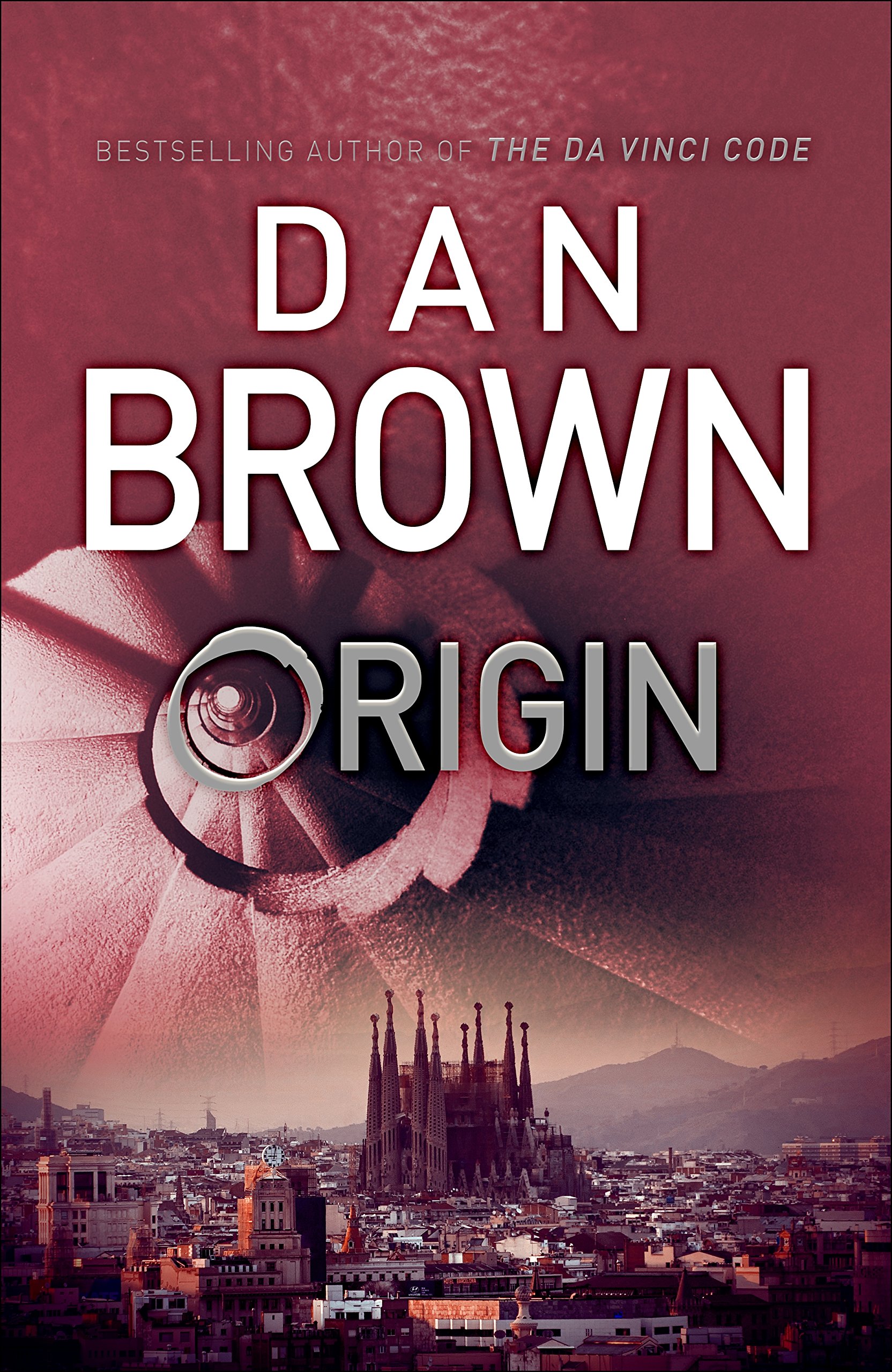
Dan Brown - Origin, Penguin Random House 2017

Considering how prejudiced I was against Dan Brown before reading this book, it is amazing how much of an advocate of his I became now, at the end of Origin's 538 pages. But it didn't even take that long. By page 100 I think, I was already converted.

I have seen the Inferno movie first, and that that probably helped, because I could only imagine Professor Langdon as Tom Hanks. And I am actually looking forward to the Origin movie, actually, though by the looks of it they're still working on making The Lost Symbol, so probably a good few years away.

Now, don't get me wrong: I don't think Dan Brown is the be all end all, I don't think Jesus had offspring or that some dude with a computer discovered the origin of life. In fact I am quite annoyed with the way some of the premises are looked at - the idea that a scientific certainty on the origin of life would eliminate religion (sic!). Well, myself and a few friends of mine, such as Karl Popper or Thomas Kuhn might have a few things to say about this idea of 'scientific certainty' and it's obvious that Mr Brown, talented storyteller as he might be - is missing a few important reads. In fairness though, it is much more exciting to go and visit Sagrada Familia or the monastery of Montserrat then write about them than researching some obscure academics and their dry lectures on epistemology. So I don't agree with the writer, but I sympathize.

The selling point of the book, and - I imagine - the reason behind Dan Brown's success, is his truly captivating storytelling: enough threads to keep one interested, but not enough to make it too complicated; very short chapters and quick jumps from one plot to another; non-linear story-telling on top of a clear chronological thread; putting most of the enigmas out in the open from the off, but always leaving something to discover; and throwing enough red herrings to keep things spicy, but keeping one final reveal.

And despite the omnipresent issue of the lack of a serious, in-depth, analytical approach to all the 'big facts' postulated, the ending is good enough to offset some of the silliness of the beginning premise.

No least, sympathy for the bad guy, something rare in literature and actually rather difficult to achieve. Admiral Avila is a likeable, well crafted character and he's got a chance to become memorable, despite a rather unbelievable end.

I do have a number of other issues, but they're all minor: accuracy of Budapest's nightlife, the veneration of Winston Churchill, the (potentially deliberate) misunderstanding of Catholicism in Spain and the like; things that the American public won't really care about, and the foreign language audience won't insist upon. The fact remains that because of this book I now want to visit the Guggenheim museum in Bilbao, which is no mean feat.

And I also want to read more of Mr Brown's books. But not now, when I'm so looking forward to dipping my head in my ever-growing pile of non-fiction. No, no! In the summer, on the beach. Because, as a holiday read, Dan Brown is really hard to match.

Quotes:

339: 'To permit ignorance is to empower it. To do nothing as our leaders proclaim absurdities is a crime of complacency.'

503: 'Love is from another realm. We cannot manufacture it on demand. Nor can we subdue it when it appears. Love is not our choice to make.'

535: 'I don't believe that the same God who endowed us with sense, reason and intellect intended us to forgo their use?'

luni, 2 septembrie 2019

Love kills

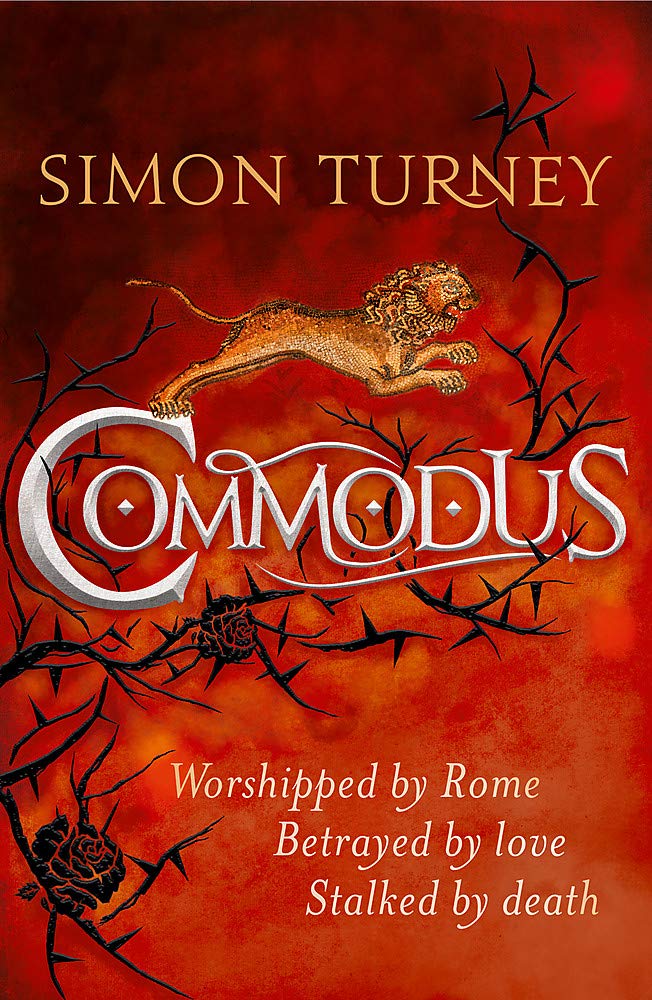
S.J.A. Turney - Commodus (The Damned Emperors),  Orion Books, 2019


Commodus, the infamous son of Marcus Aurelius, emperor at 19 and assassinated at 31, is revisited by Simon in this second iteration of his Damned Emperors series. I say revisited because Commodus is also an important character in the Praetorian series, and I found it particularly interesting to see the same events described from different perspectives. As a fan and reader of most of Simon's books, I have to confess a mild disappointment at the lack of crossover between the storylines, but this book is better served by being a complete stand-alone.

Like the first book of the series, Caligula, Commodus is also narrated by a female character. Julia Livilla, Caligula's sister, is the narrator of his story. Commodus' life is shown through the eyes of Marcia Ceionia, a freed woman and mistress of the emperor, which makes this one something of a love story, an interesting twist indeed for a Simon Turney novel. Only danger is, Marcia is herself a character so interesting that she tends to upstage the protagonist at times. 

In the end, however, having a strong supporting cast (not only Marcia, but also important historical figures such as Marcus Aurelius, Lucius Verus, Lucilla, Pompeianus or Cleander) makes for a rich story and a very gripping read. And although I find it very hard to decide which of Simon's books or series I prefer, Commodus is right up there with the best.

Non-regular readers of Roman fiction will find a rich account of Commodus' life, but also very suspenseful read, especially if they're not particularly familiar with the events of the emperor's life.

And it's a testament to Simon's craft that he can compile such an intricate, rich plot from a relative poverty of sources. This Commodus is a much richer, more developed character than Joaquin Phoenix's portrayal in The Gladiator, and a much more believable one. Also very different, but very similar to the Praetorian series description, is Commodus' sister Lucilla, which, it's obvious by now, Simon does not hold a particularly favourable view of.

A very refreshing addition to the previous portrayals of the emperor is the sympathetic look with which Simon approaches this portrait. Sure, Commodus is far from perfect and some of his decisions are more than questionable, but when he is looked at as a man in his own social and historical context, even if we don't agree with his decisions, we can at least understand what led him to them. Same goes for Marcia who, as the narrator, starts with an inbuilt capital of sympathy from the reader. She is also far from a moral example though, and it is this placement of all characters - including the main villain, Cleander - into an ethical grey area that makes the reader really invested in the story. Even the divine Marcus Aurelius, the emperor-philosopher, who even today enjoys a very respectable reputation even according to the unforgiving Christian dogma, is portrayed here as a man, a special man of good moral standing sure, but also subject to human emotions and mistakes.

A relatively bulky book, Commodus, stands at almost 500 pages in the hardcover edition, but I found it gripping enough that I galloped through its chapters and carved time wherever I could in my daily routine so that I can see what happens next. One of those happy situations in which you want to get as far ahead in the book as quick as possible, while at the same time regretting the fact that it's drawing to an end, and missing the book's universe once it's finished. Hopefully, the third iteration of the series will come before too long.

miercuri, 12 iunie 2019

How to talk about Dracula to non-Romanians

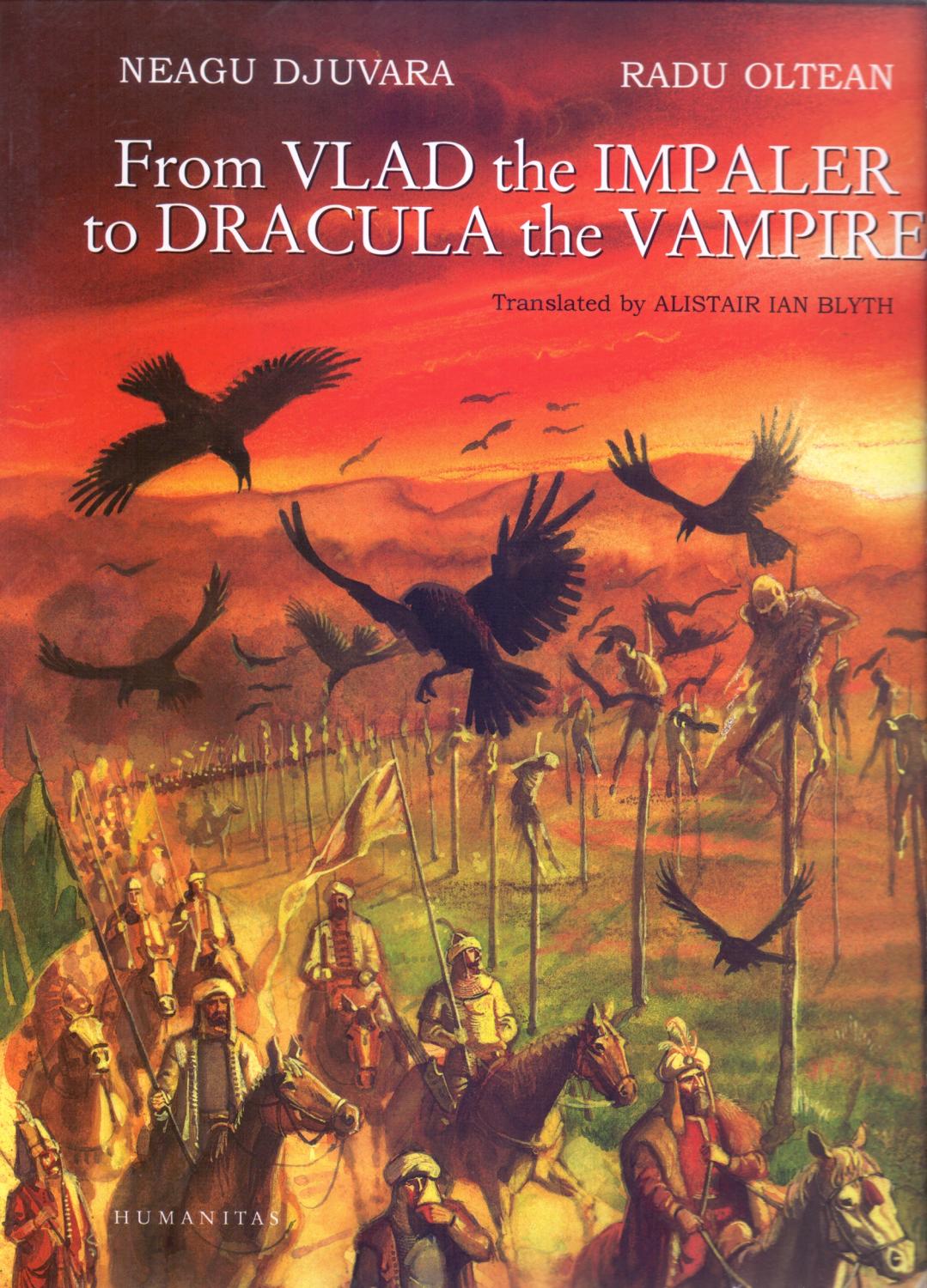
Neagu Djuvara, Radu Oltean - From Vlad the Impaler to Dracula the Vampire, Humanitas, 2003 (Translated by Alistair Ian Blyth)

I have a huge respect for Neagu Djuvara. His book, Civilizations and Historical Patterns (Civilizatii si tipare istorice) has greatly influenced the way I think about history. I consider myself lucky to have had the opportunity to chat with the great man a few times.

In have huge respect for Radu Oltean as well who, in his field - historical illustration, is hailed as one of the best in the world, and for good reason. I am lucky once more to witness Radu's work as it's being made, on his Facebook page. 

And, credit goes where credit is due, Alistair Ian Blyth is the most active translator of Romanian into English at the moment, and his services to Romanian culture should not be underestimated.

For these reasons alone, this is a book I highly recommend to all ages, even though it's marketed as a children's book. And perhaps herein lies the problem. Because yes, there is a problem, despite the meeting of the three aforementioned great minds. As previous readers noticed already, as a literary achievement the book doesn't quite hit the mark. On the one hand, the tone of the writing tends to be very condescending, as if kids need a watering down of the information to understand it. And yes, it is written in Djuvara's old age, but it looks like the historian fell into a relatively common trap: underestimating your audience. I feel the historical rigor and objectivity could have been preserved without any loss of understanding from the audience, however young.

The second issue is the over-apologetic tone in regards to Vlad's bloody deeds. This is, again, a miscalculation: owning the fact that Vlad was a very bloody leader even for the standards of his time would not, in my opinion, damage his reputation as much as trying to present a sanitized version of history does. And I'm surprised Radu signed off on the book (though I presume words belong entirely to Mr Djuvara), as he is famously a fierce enemy of sanitizing history.

However, once we get over these two shortcomings, what we have on our hands is a wonderfully documented gallop through the saga of the Draculesti dynasty and its place in the politics of the time, with a long digression about Iancu and the House of Hunyadi, important as it gave two of the most famous historical figures for both Romanian and Hungarian history. There is plenty to learn even for the reader that has passed through the Romanian education system and is relatively familiar with the reign and times of Vlad the Impaler, there is loads to learn for the reader unfamiliar with the historical figure, but that has maybe heard of the Dracula myth.

And,as it's also been mentioned before in the online reviews, the book is worth its price for the illustrations alone. While I'm trying to not be too reverent to Radu, largely because we often clash in online conversations, his work is indeed magnificent. Largely respecting the canonical imagery and often inspired by period depictions, his touch blows life into the characters making them relatable in a way in which text is unable to. 

I am glad I read this and I can only imagine what one of my historical fiction writing friends might do should they feel inspired by it. Romania has had its share of historical fiction writers, though the work I came in contact with was largely dogmatic, with a clear nationalist agenda. A reckoning between my country and its own history is yet to take place, an honest acceptance and conciliation with our past is yet to be made. And fictionalizing history so that it becomes accessible to the general public, retelling the Dracula myth as it happened, is part of that reckoning.

marți, 28 mai 2019

Eu n-am votat

'Sa nu uitati sa votati cat mai repede dimineata, cand se deschid sectiile'

Sigur ca da, votez imediat cum se deschid oficial urnele, apoi imi mananc sandwichul si poate am si-un pic de timp sa ma odihnesc putin pana incep sa vina oamenii, ca stiu ca ma duc nedormit, am terminat munca la 2 dimineata sambata!

Asa suna socoteala de acasa. Iar in targ, mai exact in buricul targului, la ICR, am ajuns pe la 6.15, cu o intarziere pentru ca sunt incapabil sa ma trezesc fara Cookie Jam dupa 1h-1.30h de somn. 'Buna dimineata!' le zic celor vreo 20 de oameni care asteptau deja la coada. 'Stiti cu formularele astea pe propria raspundere...' Da, stiam, dar dintr-o data m-am simtit super-responzabilizat de faptul ca reprezentam pozitia oficiala. Si, vreo 40 de minute mai tarziu, cand incercam sa recapitulez mental cam ce trebuie sa fac... 'Haideti ca e 7, deschidem sectia'. 7 si 2 minute chiar, dupa ceasul meu. La dracu'!, m-am aruncat in spatele biroului construit din 3 mese lungi puse in linia care procesa alegatorii. Am iesit de acolo la 23:26, la scurt timp dupa ce am procesat ultimul om care a apucat sa voteze in sectie. El ajunsese acolo pe la 2.30pm. Eu as fi vrut sa ajung la toaleta de pe la 11am, si am avut vreo doua incercari esuate sa beau apa in jur de 3pm. Cele doua sticle pe care mi le-a pus pe masa colega le-am regasit dupa miezul noptii cazute sub masa. Mi-a pus pe masa si vreo 3 mini-oua de ciocolata care au stat acolo vreo ora (cred ca o ora, timpul a fost extrem de estompat duminica), dupa care mi-am dat seama ca ma incurca si le-am bagat in buzunar. 

'Asteptam de 3 ore!' 'Dumneavoastra cat ati asteptat?' 'Cred ca vreo 4 ore, 4 ore si jumatate'. Intrebam din cand in cand. La un moment dat, relativ devreme, mi s-a parut ca reusisem sa reducem putin timpul, cred ca am auzit 2 ore si jumatate la un moment dat. Dar dupa pranz a crescut constant, 6 ore era noul normal, si a urcat spre 9 ore seara. Ultimii oameni care au votat ajunsesera pe la 2-2.30.

Dar foarte putina lume nervoasa. Oboseala, dezamagire, abia dupa-amiaza tarziu a inceput iritarea, cand a devenit evident ca unii nu vor vota. Aud de la colegi din alte sectii ca au fost numiti 'pesedisti'. Nu mi s-a intamplat, poate si pentru ca am avut norocul ca din cand in cand sa fiu recunoscut de cate cineva, ba de pe la vreun miting, ba vreun protest, o impartire de fluturasi, o poza pe facebook... 'Dumnezeule, nu-mi vine sa cred ca a functionat' imi ziceam in minte, cu un super-sentiment de implinire ca munca din ultimele... nu stiu? 2 luni? 5 luni? Nicu Stefanuta isi face campanie din martie trecut... In fine, ca munca noastra n-a fost degeaba.

'Popor de nevotati!' imi mai ziceam in gand, de cate ori puneam pixul pe mijlociul drept, care si-acum ma doare. Dar ideea ca trebuie sa ne miscam cat mai repede, ca trebuie sa voteze cat mai multa lume si ca trebuie sa gandim metode prin care sa scurtam timp de unde se poate, pentru ca vom avea timp de sarbatorit de maine facea mai mult de o durere in degetul mijlociu. Draghicescu Marinca Constantin Alexandru, serios? Unde e Ion Rus din Dej? Unde e Dan Pop din Ip? De ce n-aveti toti nume scurte?

8.30, jumatate de ora pana la inchiderea urnelor. 'Haideti sa deschidem usile, sa bagam cat mai multi oameni inauntru!'. Poate 2-300 la 9pm in sectia de votare si in holul ICR-ului, inghesuiala mai mare ca la concert Metallica. De data asta cu nervi, toti. Politie. Scandari suparate de afara, de la cei care n-au apucat sa intre. Momente tensionate si oameni care ameninta sa sparga, sa rupa, sa faca orice doar sa voteze. 'Daca sunteti aici, o sa votati!' tipa sefa de sectie, cu toti cei 160 de cm ai ei urcati pe masa si chiar si asa de o inaltime comparabila cu unii dintre scandalagii. Dar cand inteleg ce se intampla atmosfera se mai detensioneaza. Glumim, radem. 'Nu, nu poti sa votezi pe masa, trebuie sa te duci in cabina de vot!', si-i iau omului din mana buletinele de vot pe care tocmai i le dadusem. Restul inteleg si se conformeaza. 23:26, ultimul om din sectie voteaza. 12 oameni ramasi, care n-au apucat sa-si treaca buletinele prin SIMPV, suparati ca pe ei nu-i intereseaza, erau in sectie la 9, vor sa voteze. 'La dracu', pana la urma n-am apucat sa votez' ma gandesc in toaleta, fericit ca am apucat totusi sa fac pipi. Cand ma intorc, dupa 23:30, cei 12 ceva mai calmi. S-a facut un proces verbal, li s-a explicat cum si unde pot face sesizari si contestatii, ne despartim prieteni. Un politist britanic, si el multumit ca oamenii pleaca, usor usor si ca n-au fost nici un fel de violente.

Urmeaza noaptea de numarare, a doua noapte de nesomn, dar de data asta jubilez. Timid la inceput, ca nu vreau sa jignesc oameni care poate au alte optiuni politice dupa ce am trecut prin 16 ore de foc impreuna. Dar spre 2-3 noaptea, cand incepem numaratoarea efectiva mi se alatura si ei si ma simt campion fara sa fi concurat in ceva.

Alianta are 82 de voturi din prima suta, dar sunt dezamagit ca la incheierea numaratorii scadem la 71.25%. PNL 16.25%, PSD 0,57%. 12 voturi, de 4,3 ori mai putin decat independentul George Simion. Dar tot sunt gelos pe Stratford, la ei PSD a avut 0,49%.

Am ajuns acasa luni la 11am, negru in jurul ochilor de parca as fi fost batut si incepusem sa vad ca prin ceata spre marginea campului vizual. Dar e ok, o sa dorm putin, apoi pot sa ma alatur si eu sarbatorii. A fost o zi buna.

Leonard Bacica, delegat Alianta USR-Plus 2020, sectia 294 Strainatate - Londra 1.


luni, 22 aprilie 2019

The Trebizond Chronicles

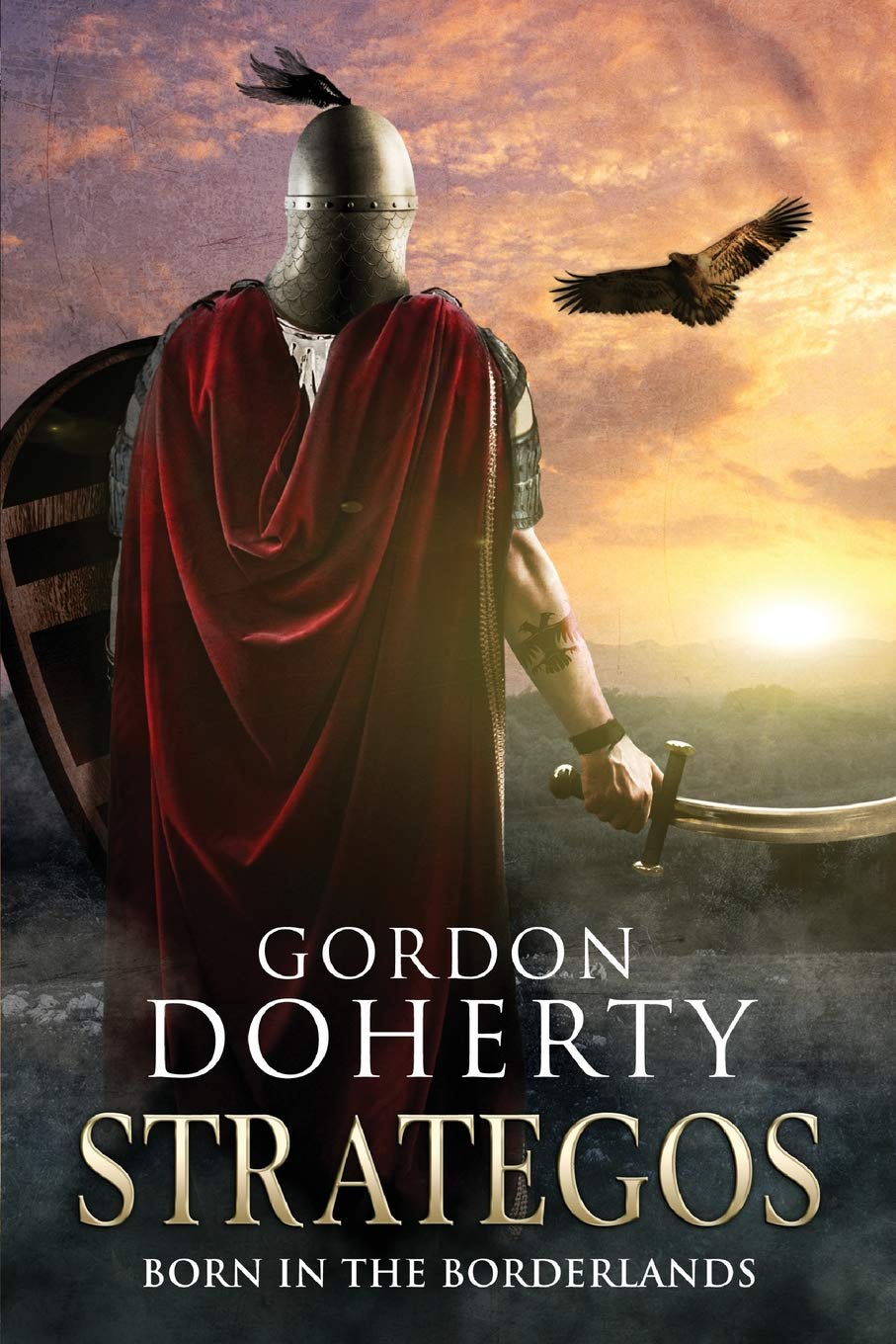
Gordon Doherty - Strategos: Born in the Borderlands, self-published, 2011

A while ago I read Gordon's book Legionary and I emailed him a rather unfavorable review, asking if he'd rather have it published or not. Writing is a tough career and anyone who takes to the paper should be encouraged, not slighted, so we agreed that I wouldn't publish anything about it online. Looking back, Legionary is actually quite a fun action histfic, so I might give the series another chance in the future. But what stroke me then was how gracious Gordon was in receiving criticism and responding to it; a reputation he has since enhanced and it's upheld by his online comments wherever you look. Therefore, while the quality of Gordon's writing will be under scrutiny below, his character is beyond doubt, and I am grateful for his friendship.

Strategos has been sat in my Kindle for a while and I only got round to it now as I realized my reading is a lot faster when I use an electronic device. I shall now devour the entire trilogy very soon.

After approaching a difficult historical period with Legionary (376 AD, NE border of the Roman Empire), Gordon does one up with Strategos, going headlong into a time and a place that is largely ignored by mainstream Western culture: 1046 AD, Eastern Anatolia. While the Byzantine Empire is still far from its conventional 1453 end, this is an era when the empire's border are continually shrinking and, more importantly, at the Eastern border of the empire two major civilizations meet and mix, often through very violent means.

The sources available for the period are scarce, which gives an author room to maneuver their plot however they feel without fearing accusations on inaccuracy, but also makes creating the atmosphere and the flavor of the era difficult, not to mention the huge burden of perception: it is likely that the general public will take their information of a historical era from fiction rather than from documents or research, which puts a great responsibility on writers exploring historical dark patches and blurs the line between a writer and a historian. I am not sure what the writer's intention is here, but it is now clear that - while creating the right flavor of the era is open to discussion - Gordon excels in creating a tense and engrossing plot, the kind that makes your brain want to keep reading long after the eyes have had enough.

The plot and the tension in the action is by far the best thing in the book IMO. Beyond any nitpicking I might do in regards to the Byzantine outlook on life or the existence and functions of secret societies in late Byzantium or the strategic thinking of Byzantine emperors, I was engrossed in the book pretty much from the off and I kept wanting to find out whatever will come of Apion or Cydones or Bracchus next.

I like how twisted the plot is, how unpredictable the fate of all the characters is and how even the villains have a redeeming back story while the heroes can be led to virtuous actions by questionable goals. There's a lot of depth to all the characters that survive beyond a few pages, and it's well spread throughout, each episode adding another single element to one particular character's story.

I also like how Gordon doesn't shy away from writing sex scenes, and in Strategos there's a few of them, but they're all well integrated in the story and avoid the usual cringe that sex scenes seem to generate when written. There's plenty of blood and gore, sure, and writing battles and fights is the bread and butter of most historical fiction writers, but they tend to tread a lot more cautiously when it comes to the romantic lives of their characters. Not Gordon. His characters have feelings and urges and this gives them an extra dimension to the regular 'good with a sword' routine.

All in all, a gripping and pleasant read, and one that sparks interest in an unfairly overlooked era. I have a few reservations about moments in the plot that I think require too much of a suspension of belief, but then doesn't any work of fiction require some suspension of belief?